UK Traffic Signs and Their Meanings

There are a few hundred traffic signs in regular use on British roads, and the usual advice — memorise them all — is both impossible and unnecessary. Almost every sign you will ever meet announces itself before you read a single word on it, because its shape and colour already told you what kind of sign it is.

This page is the reference. It follows the same five categories the Highway Code uses, so what you see here lines up with what you will be tested on. Each section explains the rule the category follows, then lists the signs inside it.

If you want the revision-and-memorisation side of this — how many sign questions appear in the theory test, which ones learners fail on, how to actually get them to stick — that is covered in our guide to UK road signs and their meanings. This page is for looking a sign up and getting a straight answer.

Read Any Sign in Two Seconds: Shape and Colour

Before the categories, the decoder. Get this and you can make a safe guess at a sign you have never seen in your life.

What the shape tells you

ShapeWhat it doesExample
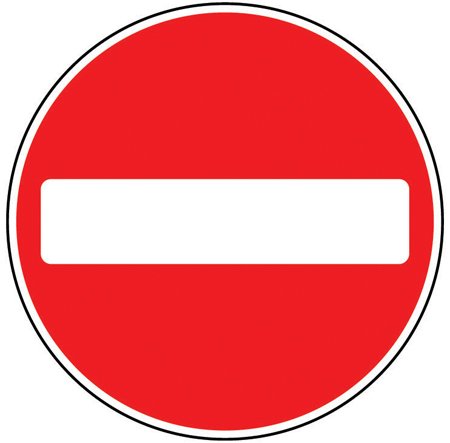
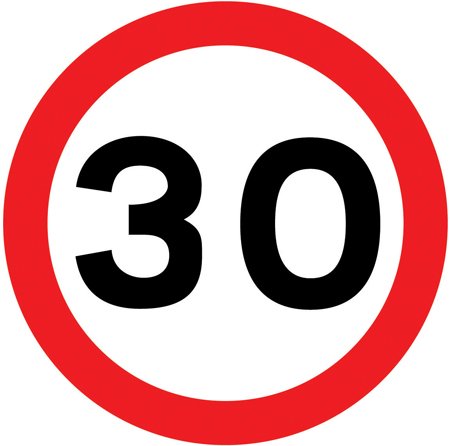
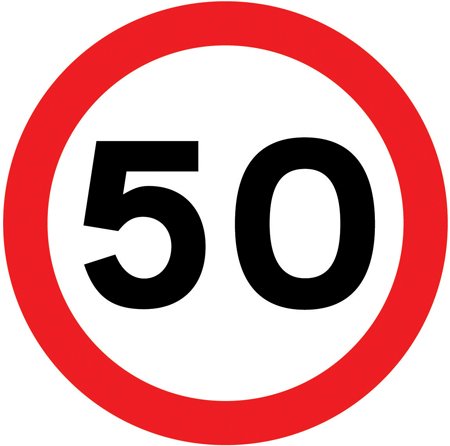
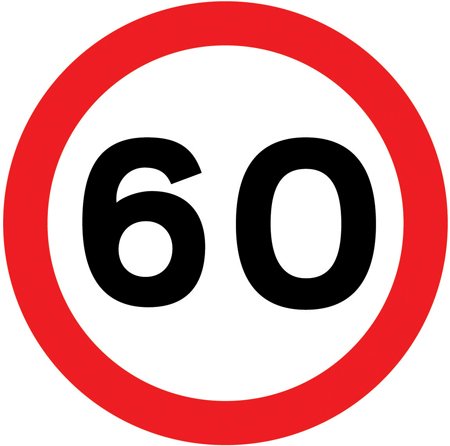
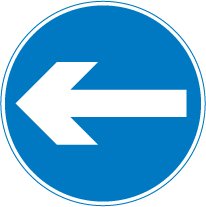
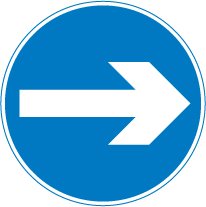
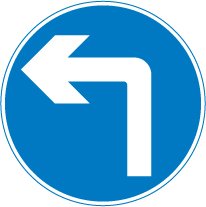
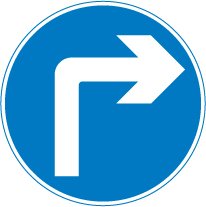
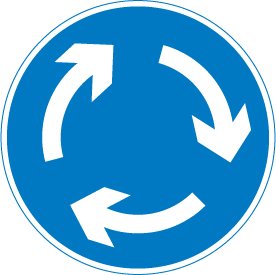
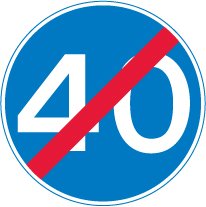
CircleGives an order. You must obey it.30 mph, No entry, Turn left ahead
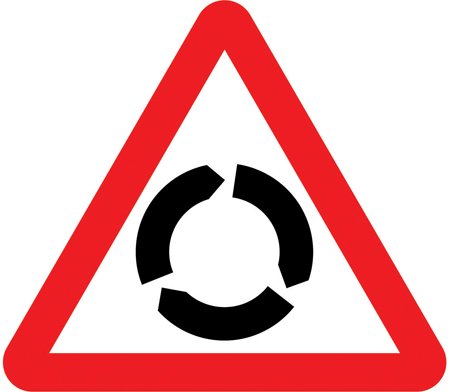
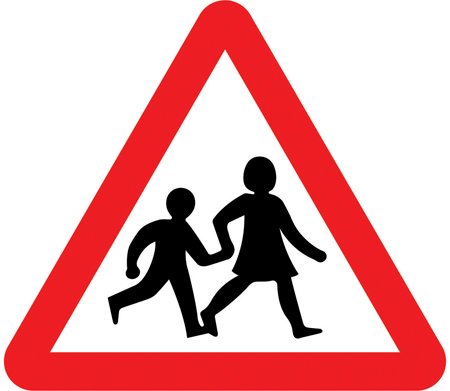
TriangleWarns you. Something is coming.Bend ahead, Roundabout, Children crossing
RectangleInforms or directs you.Motorway signs, Parking zone, Tourist attraction
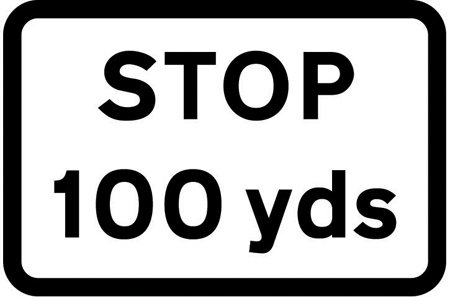
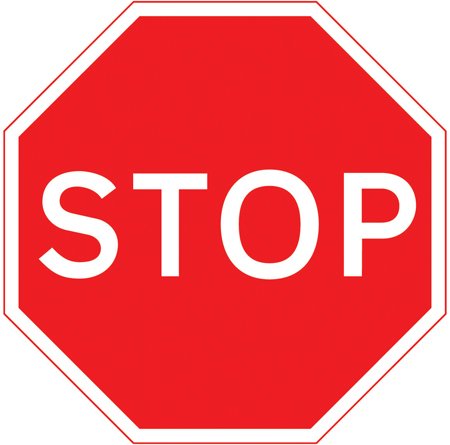
OctagonReserved for one sign only: STOPStop and give way
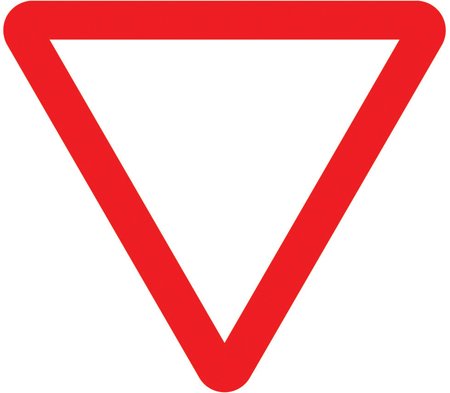
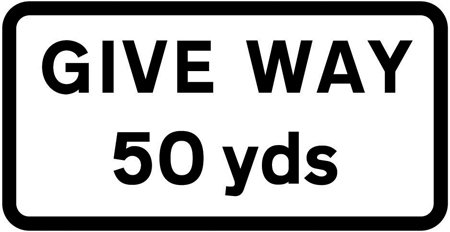
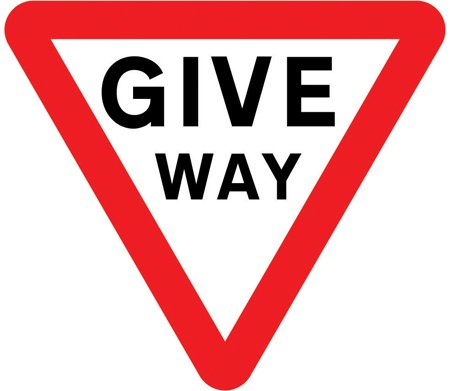
Inverted triangleReserved for one sign only: GIVE WAYGive way to traffic on major road

The last two have unique shapes on purpose. They are the only two signs you can identify from behind, in fog, or when they are covered in snow — which is precisely why they were given shapes nothing else uses.

What the colour tells you

ColourMeaning
Red circle or red borderProhibition or danger — what you must not do
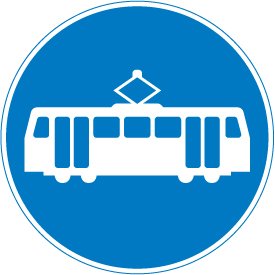
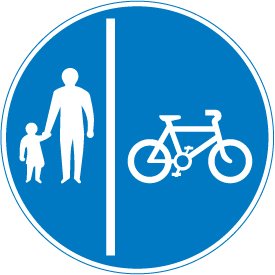
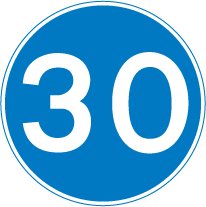
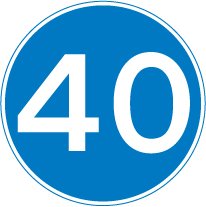
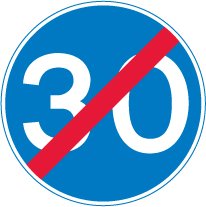
Blue circleMandatory positive instruction — what you must do
Blue rectangleInformation, or motorway direction signs
Green rectanglePrimary route directions (A-roads)
White rectangle, black borderLocal and non-primary routes
Brown rectangleTourist and leisure destinations
YellowTemporary — road works and diversions

The one rule that beats all the others

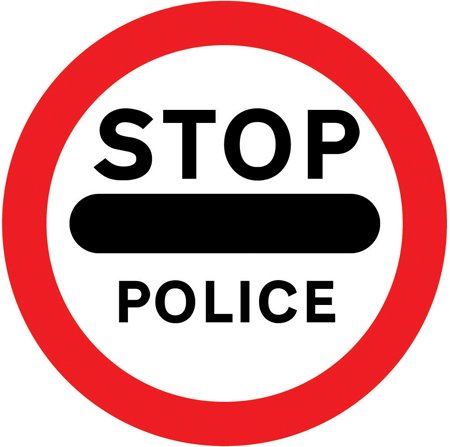
A temporary sign overrides a permanent one, every time. If a yellow road-works sign says 30 and the permanent sign says 50, the limit is 30 and it is legally enforceable. Likewise, a police officer or traffic officer’s signal overrides everything — signs, markings and traffic lights included.

1. Signs Giving Orders

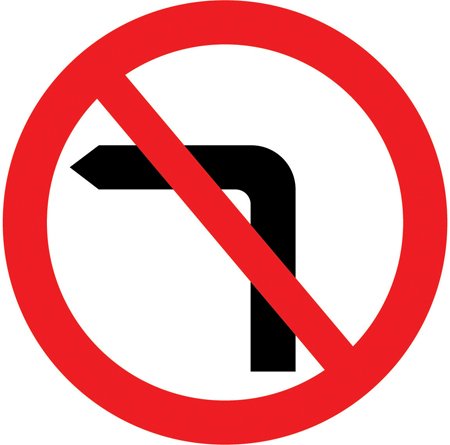
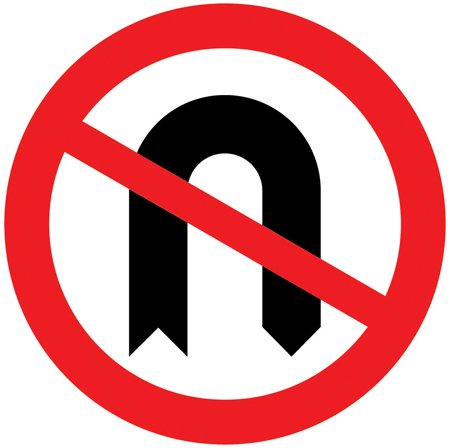
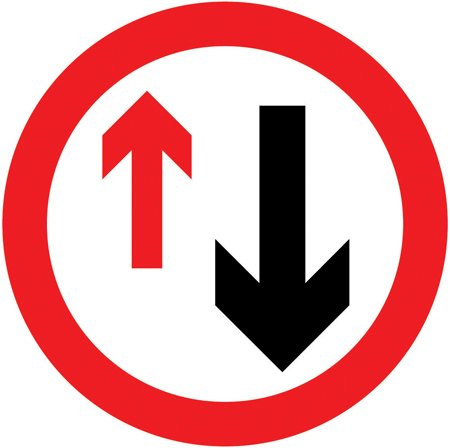
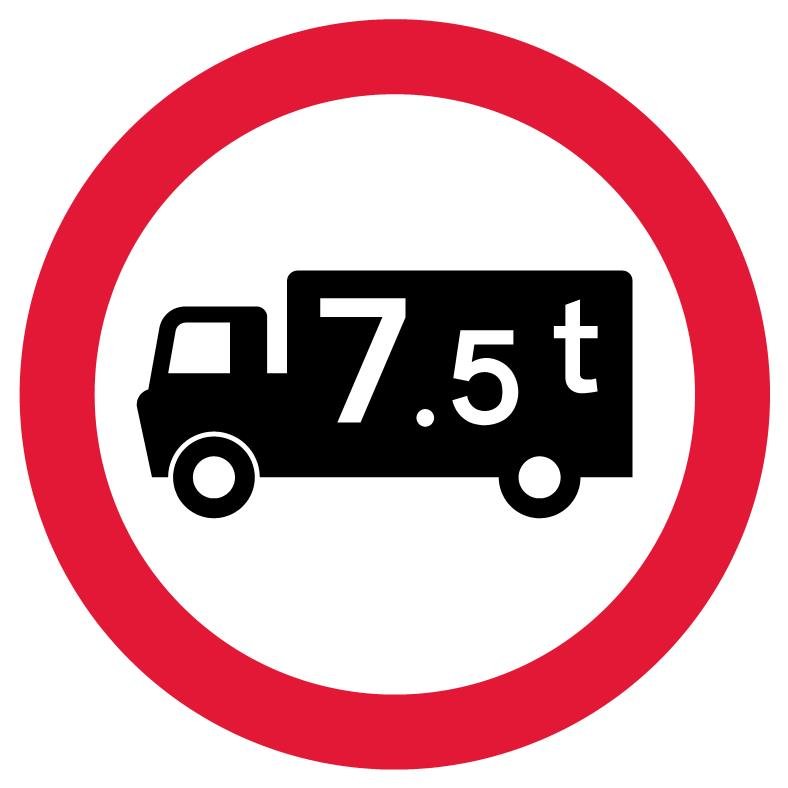
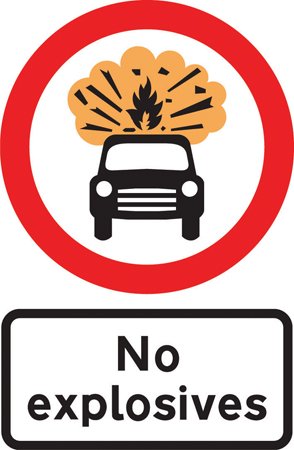
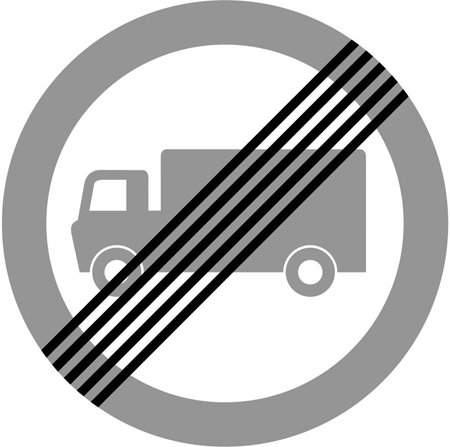
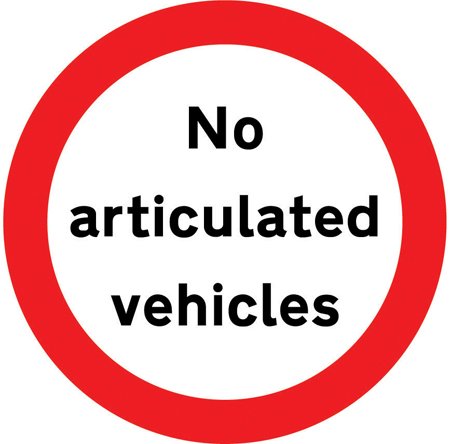
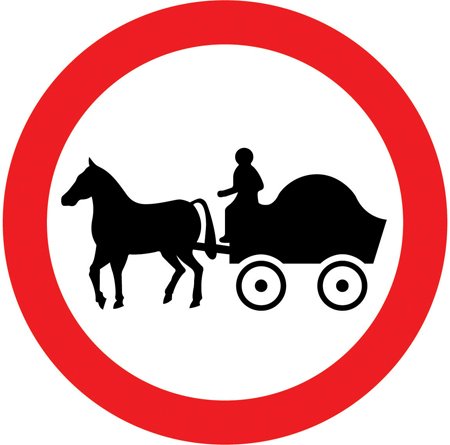
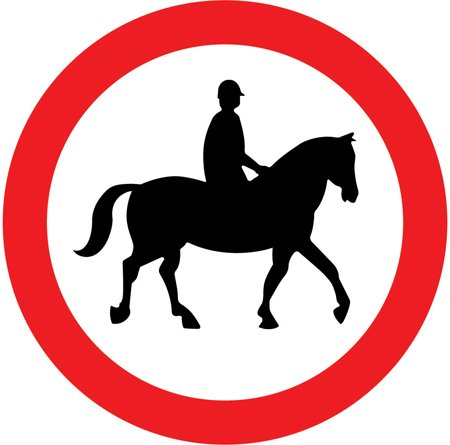
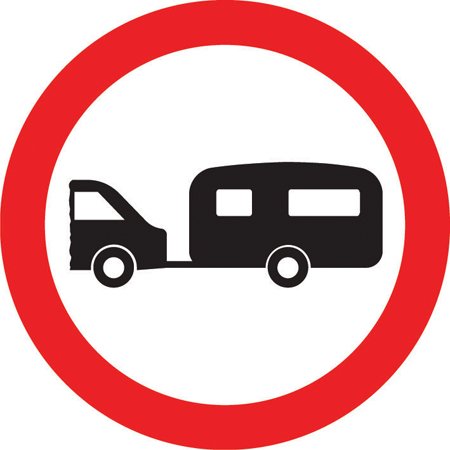
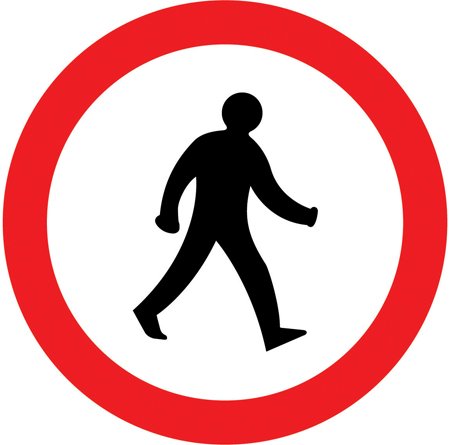
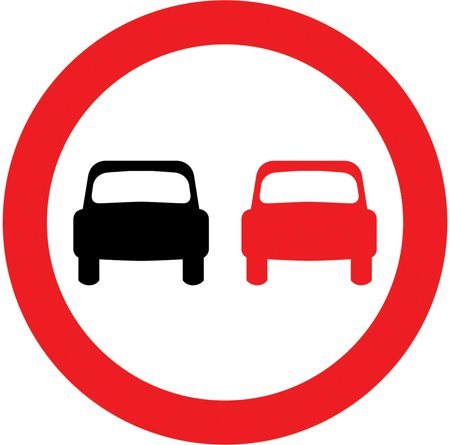
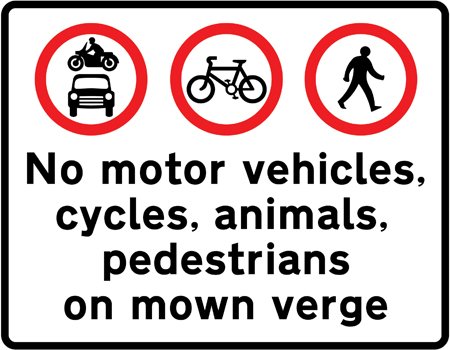
Circular. Not advice — law. Ignoring one is an offence, and on test it is a serious or dangerous fault, not a driving fault. They split cleanly in two.

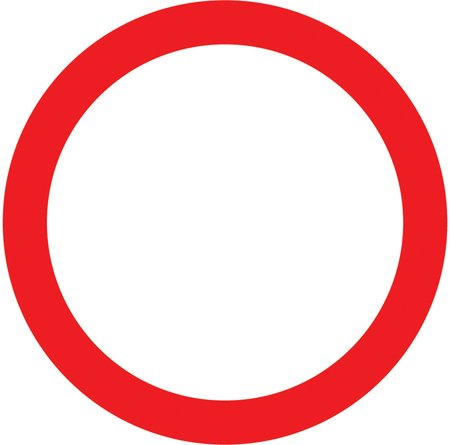
Red circles: what you must not do

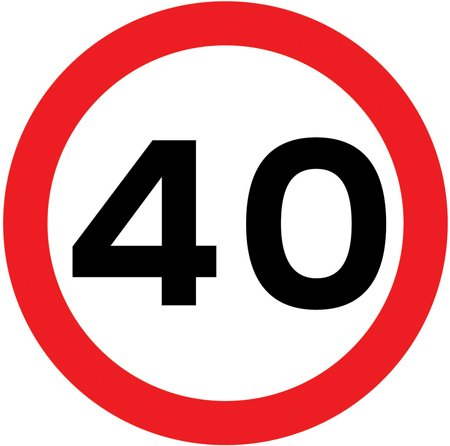
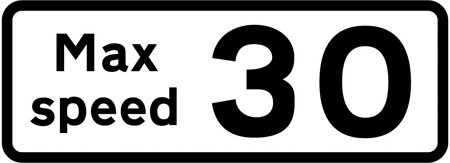
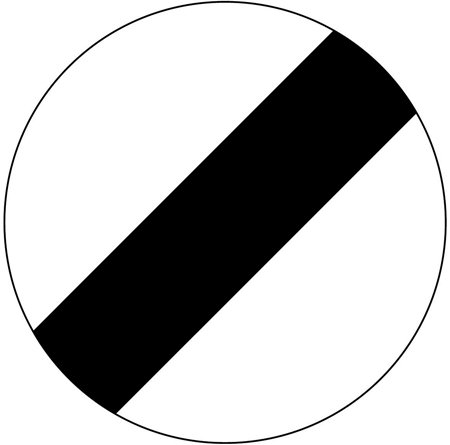
A speed limit sign is a limit, never a target. The national speed limit sign is the one learners most often misread — it does not mean 60 or 70 by itself. It means whatever the national limit is for this road and this vehicle: 30 on a street with lamp posts, 60 on a single carriageway, 70 on a dual carriageway or motorway. Full breakdown in our guide to the UK national speed limit.

No waiting and no stopping are not the same thing, and this trips people up constantly. No waiting means you cannot park or sit there, but you may stop briefly to let someone in or out. No stopping means you may not halt at all for any reason short of an emergency. On a red route the second one is the default — see what are red routes.

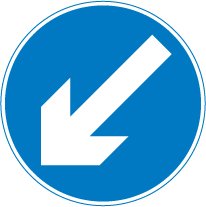
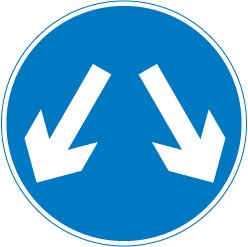
Blue circles: what you must do

The one that catches people in the theory test: a blue circle with a white arrow pointing up is “ahead only”, meaning you must go straight on. A blue rectangle with a white arrow is “one-way traffic”, which is information. Same arrow, different shape, different meaning entirely.

2. Warning Signs

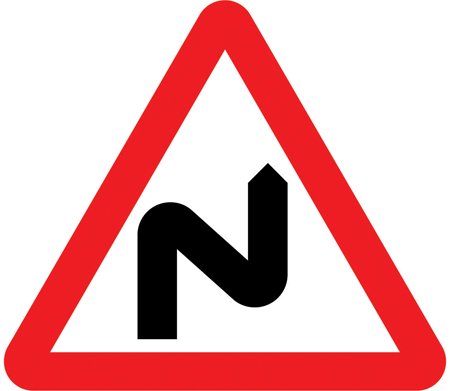
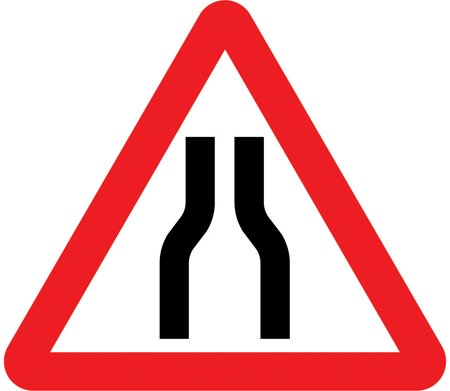
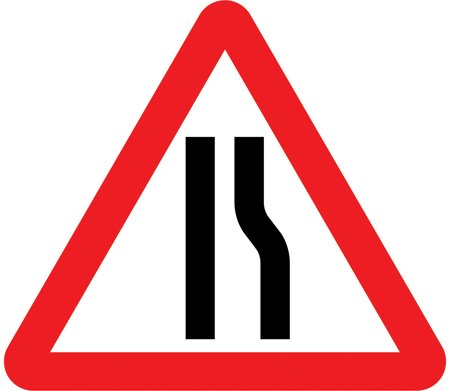
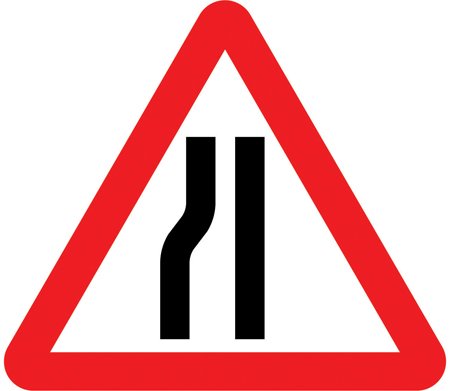
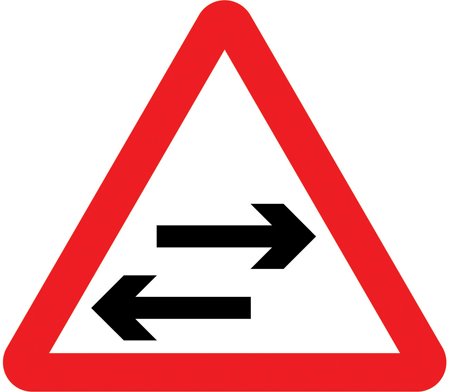
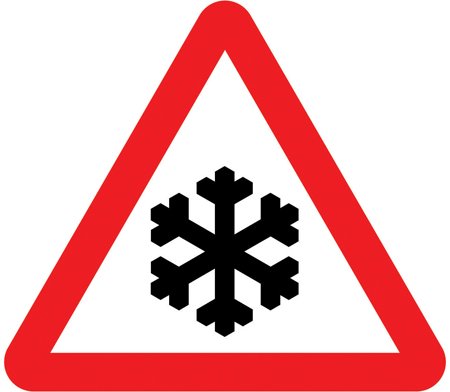
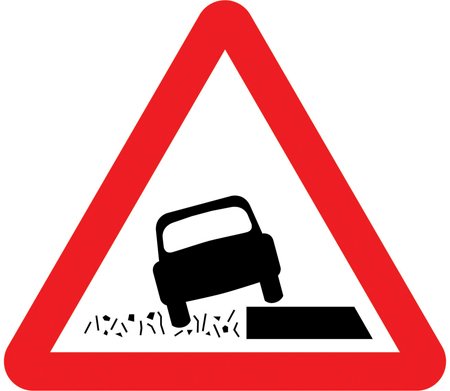
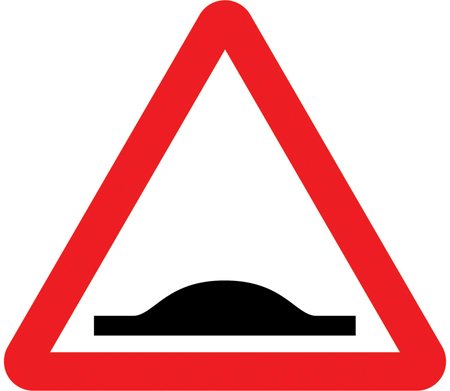
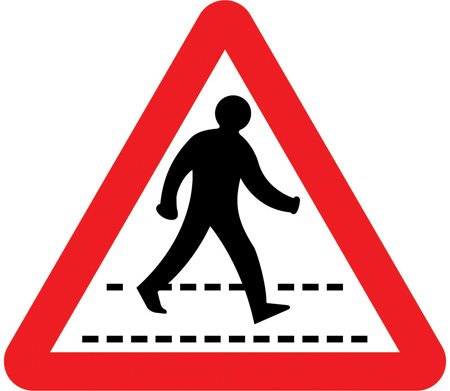
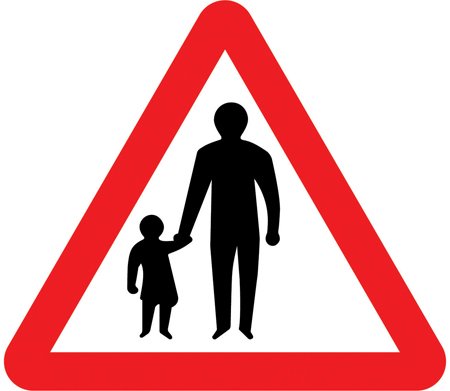
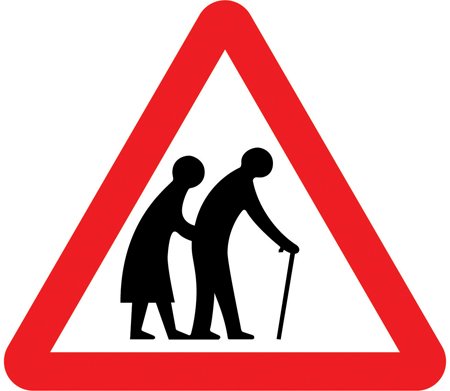
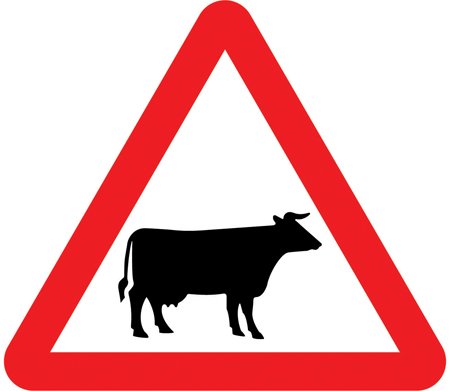
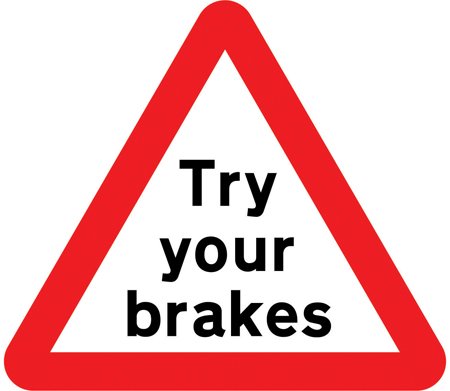
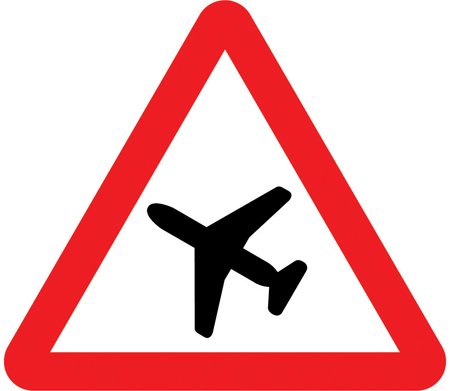
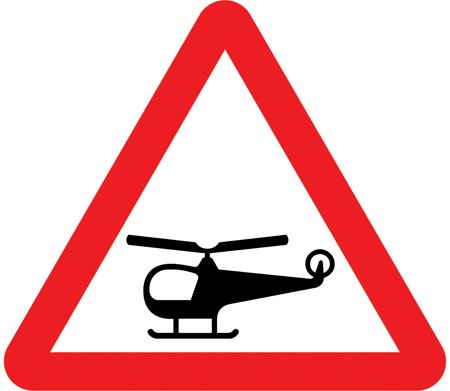
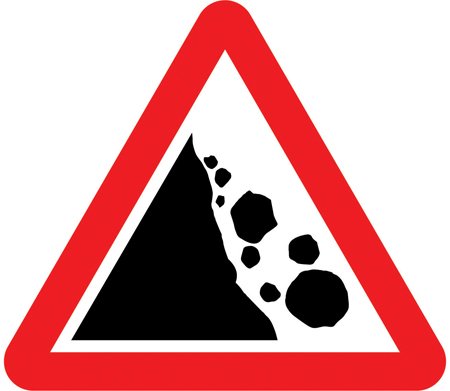
Triangular, red border, white background. They tell you a hazard is ahead and give you time to do something about it. Nothing on a warning sign is a legal instruction in itself — but failing to respond to one is exactly how faults get collected on test.

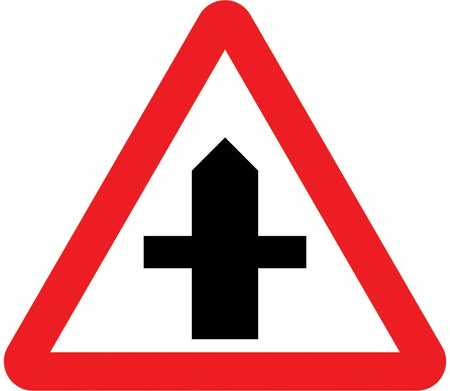
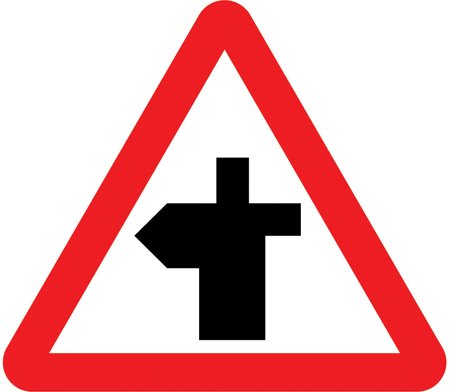
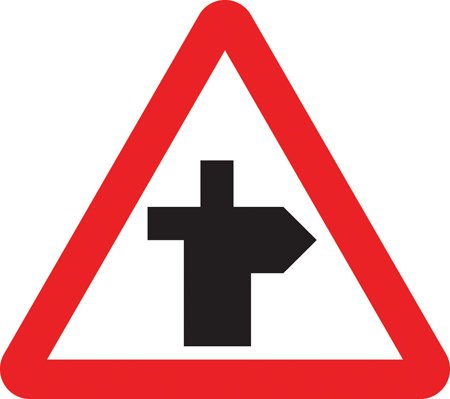
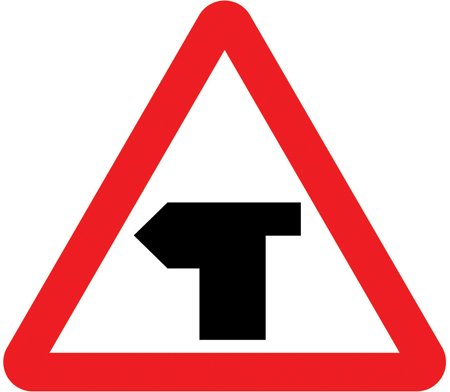
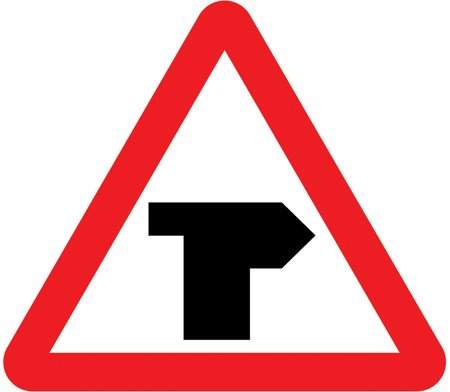
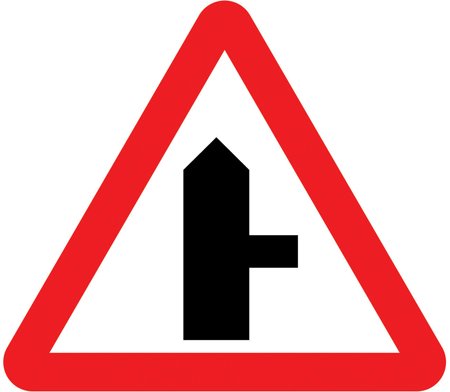
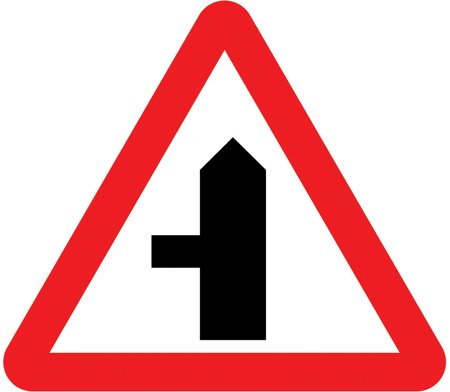
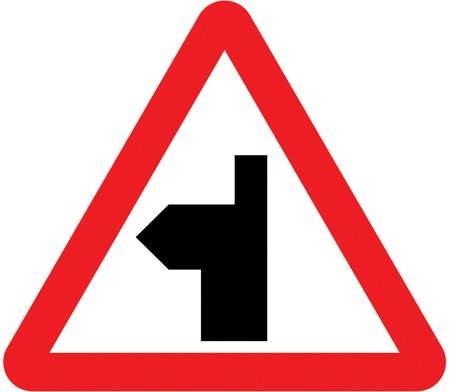
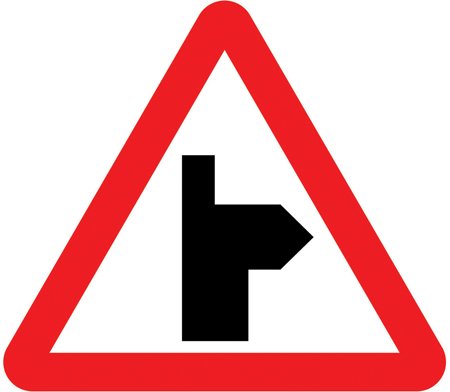
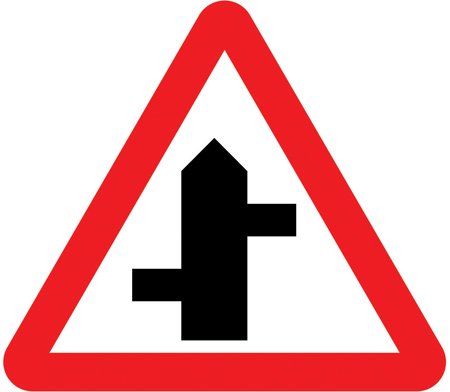
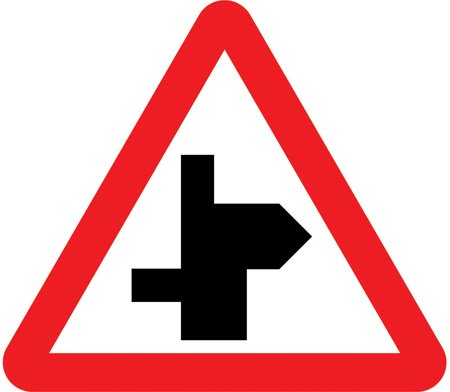
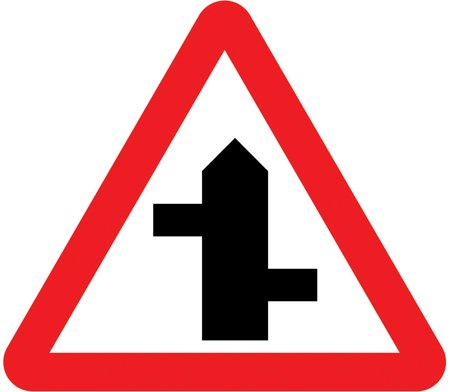
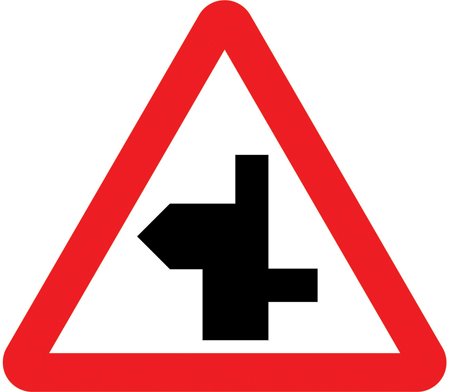
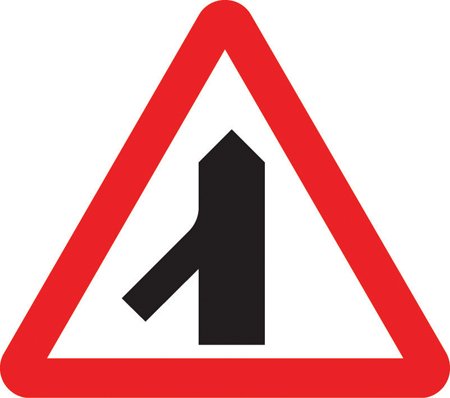
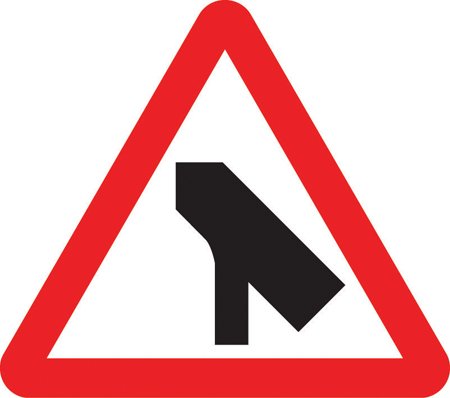
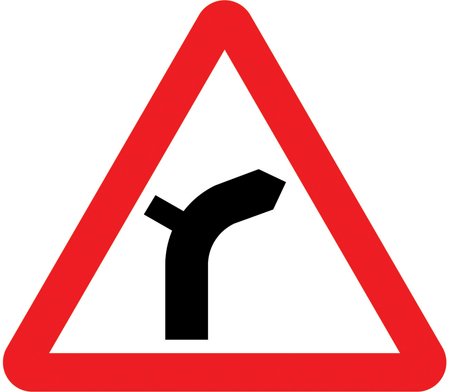
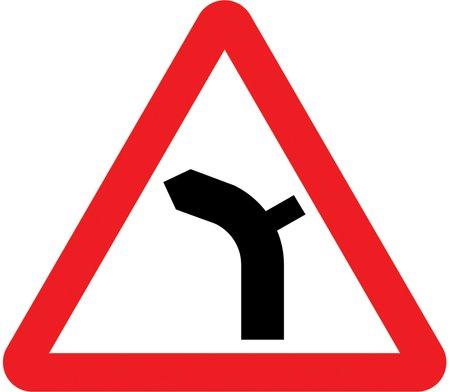
Where a sign shows a junction layout, the broader line is the priority road. That is the whole trick to reading junction warning signs.

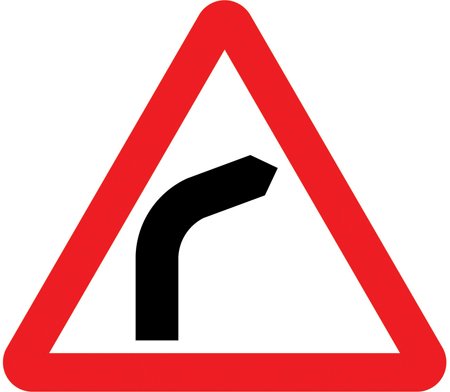
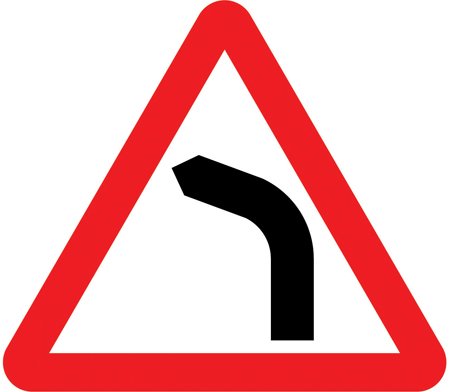
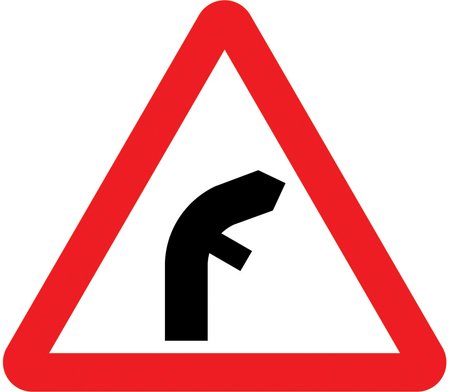
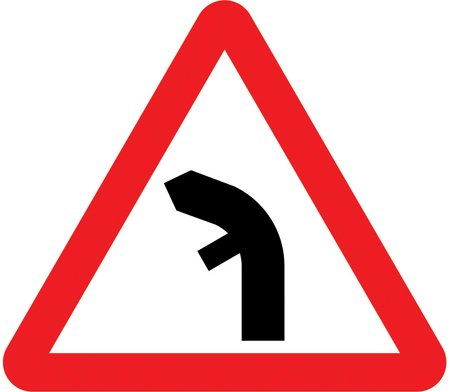
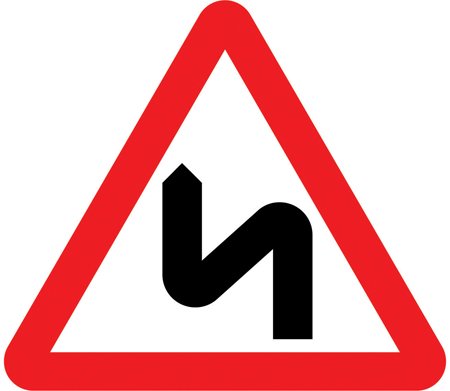
Junctions, bends and road layout

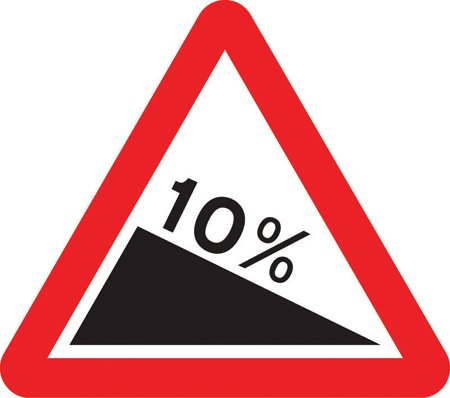
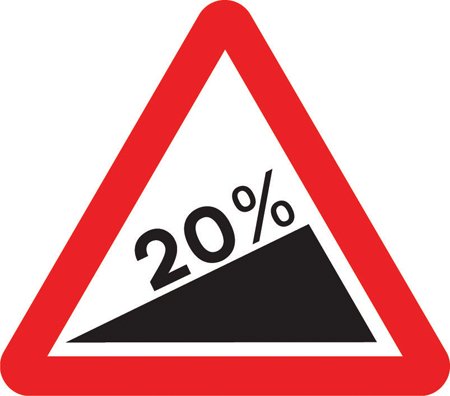
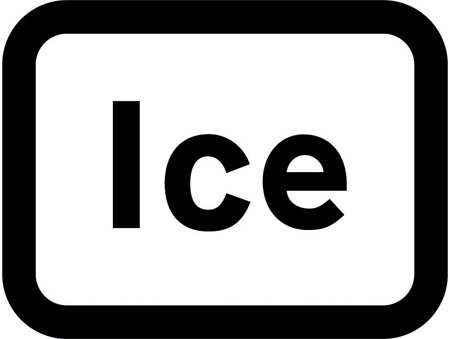
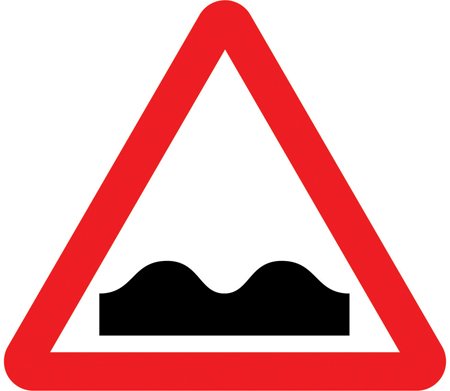
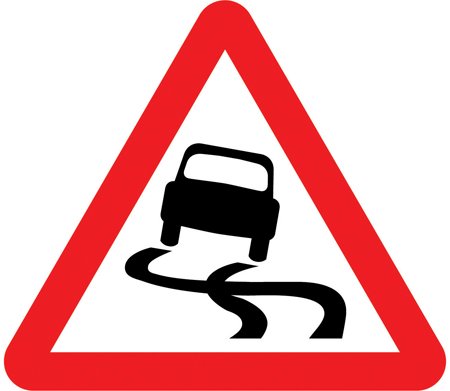
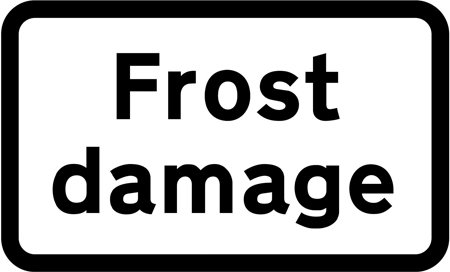
Road surface, gradient and ice

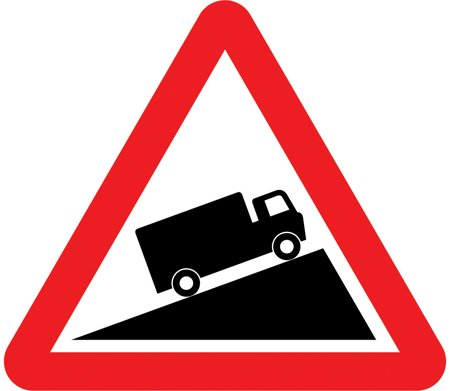
Gradients may be shown as a ratio — 20% is the same as 1:5.

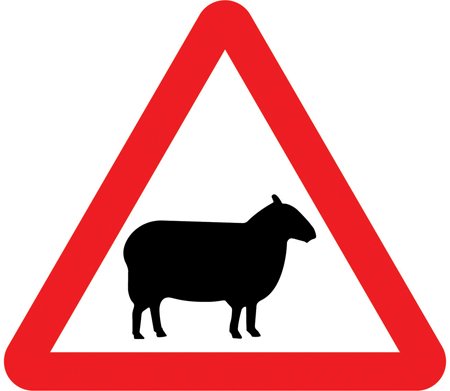
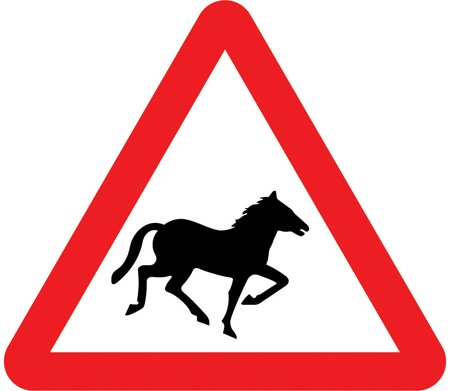
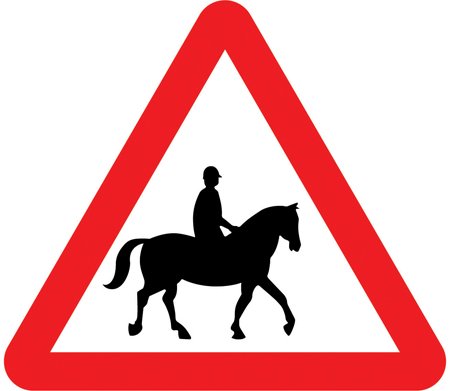
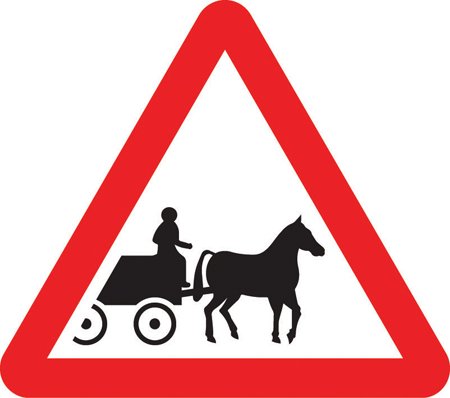
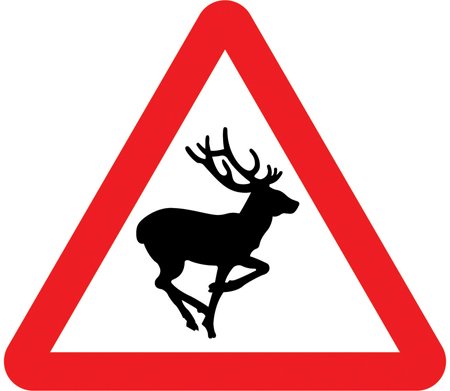
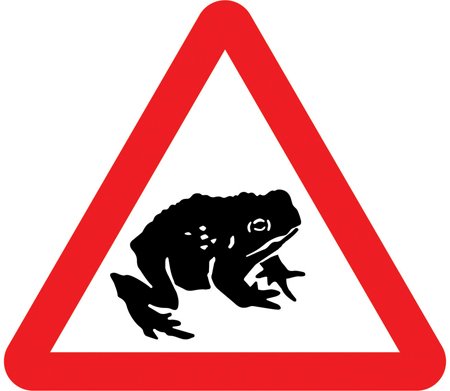
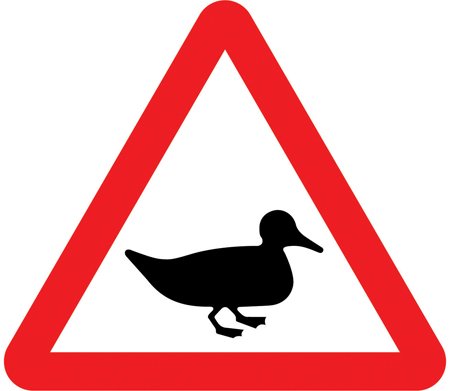
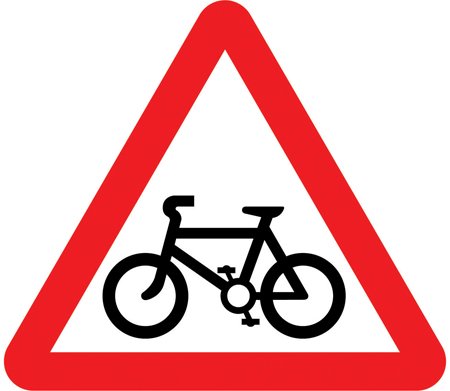
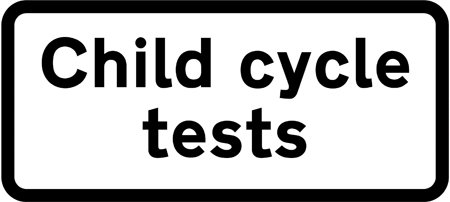
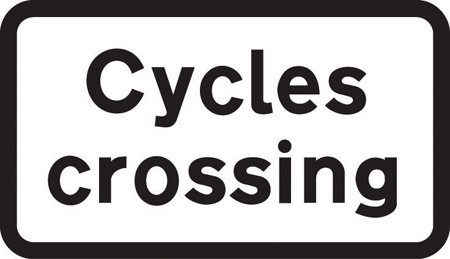
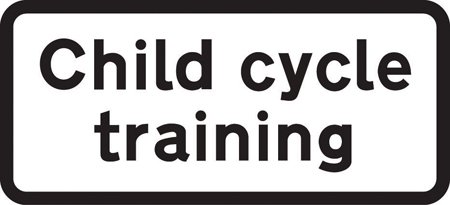
People, cycles and animals

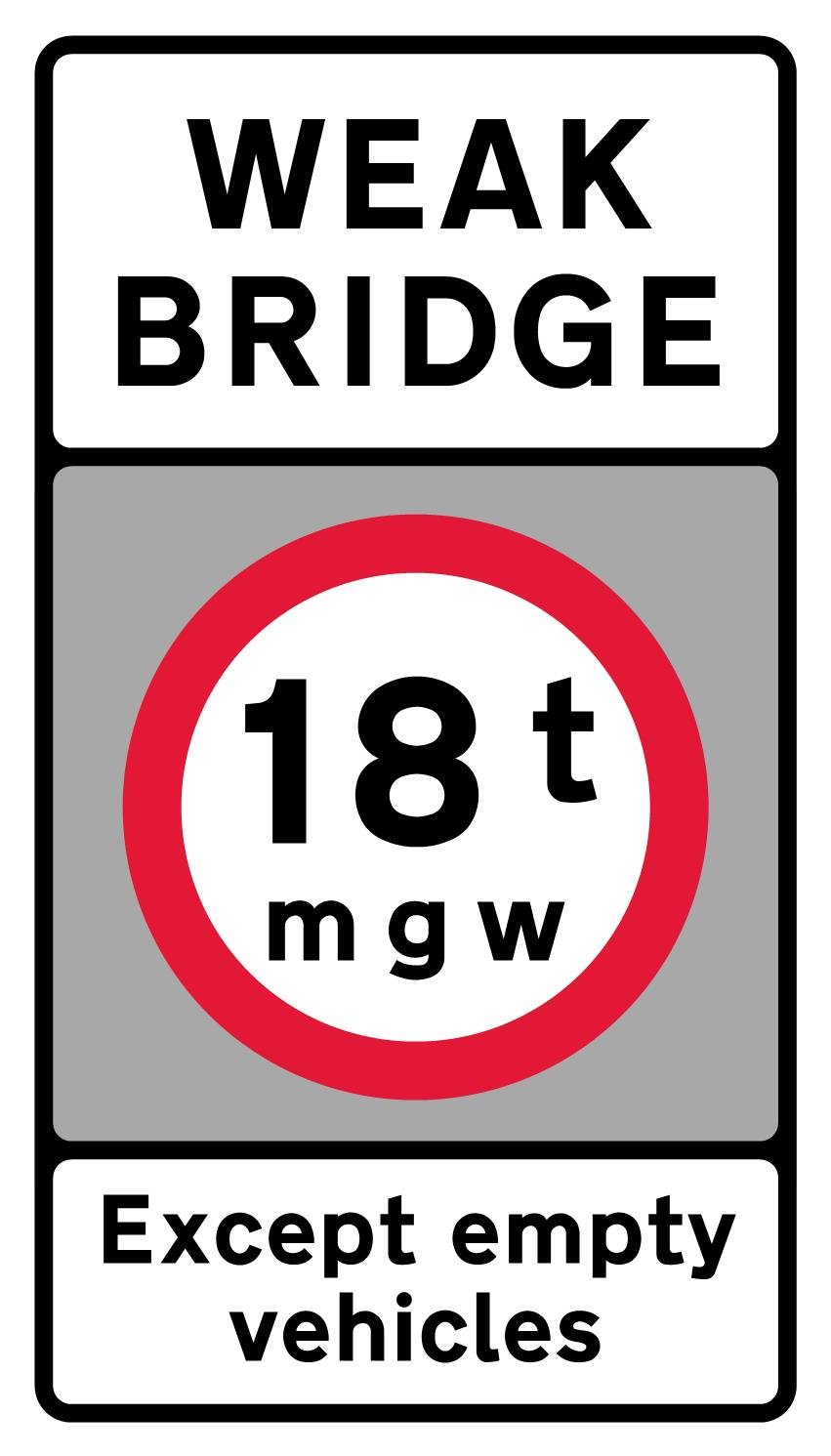
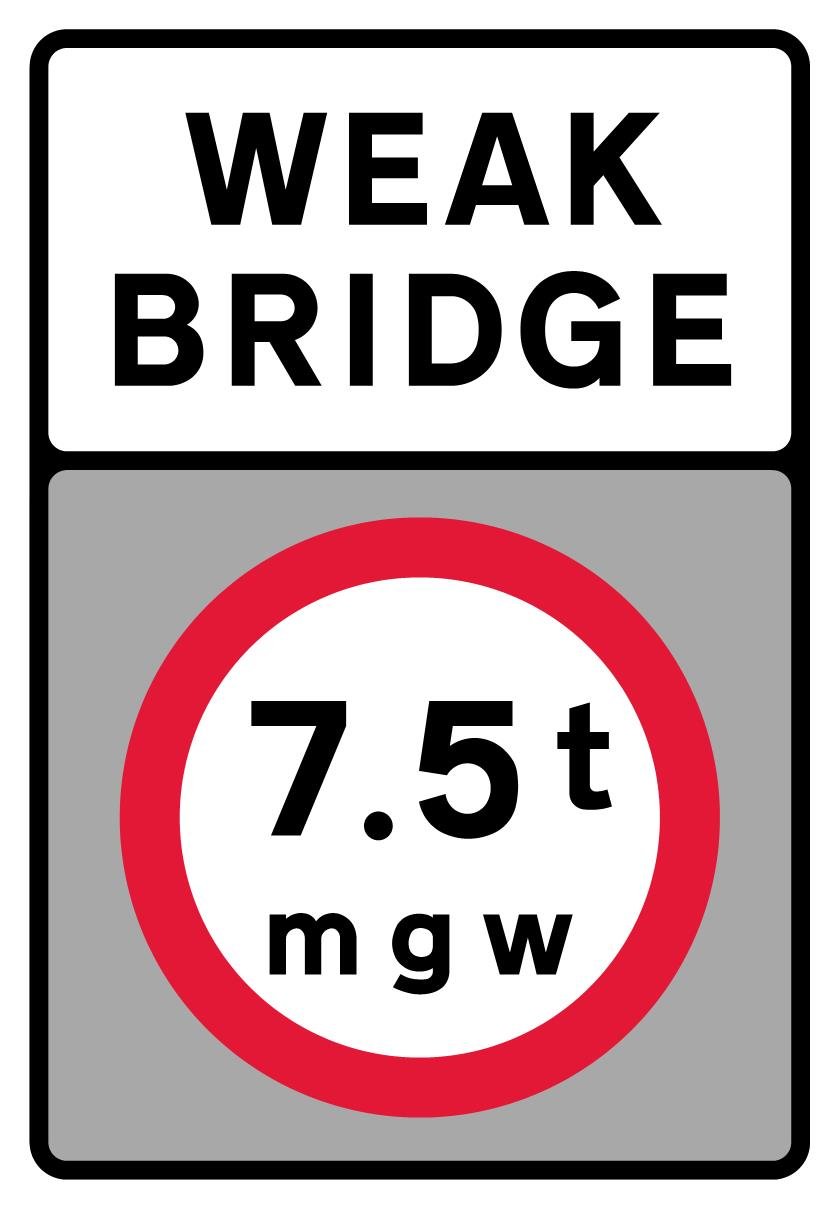
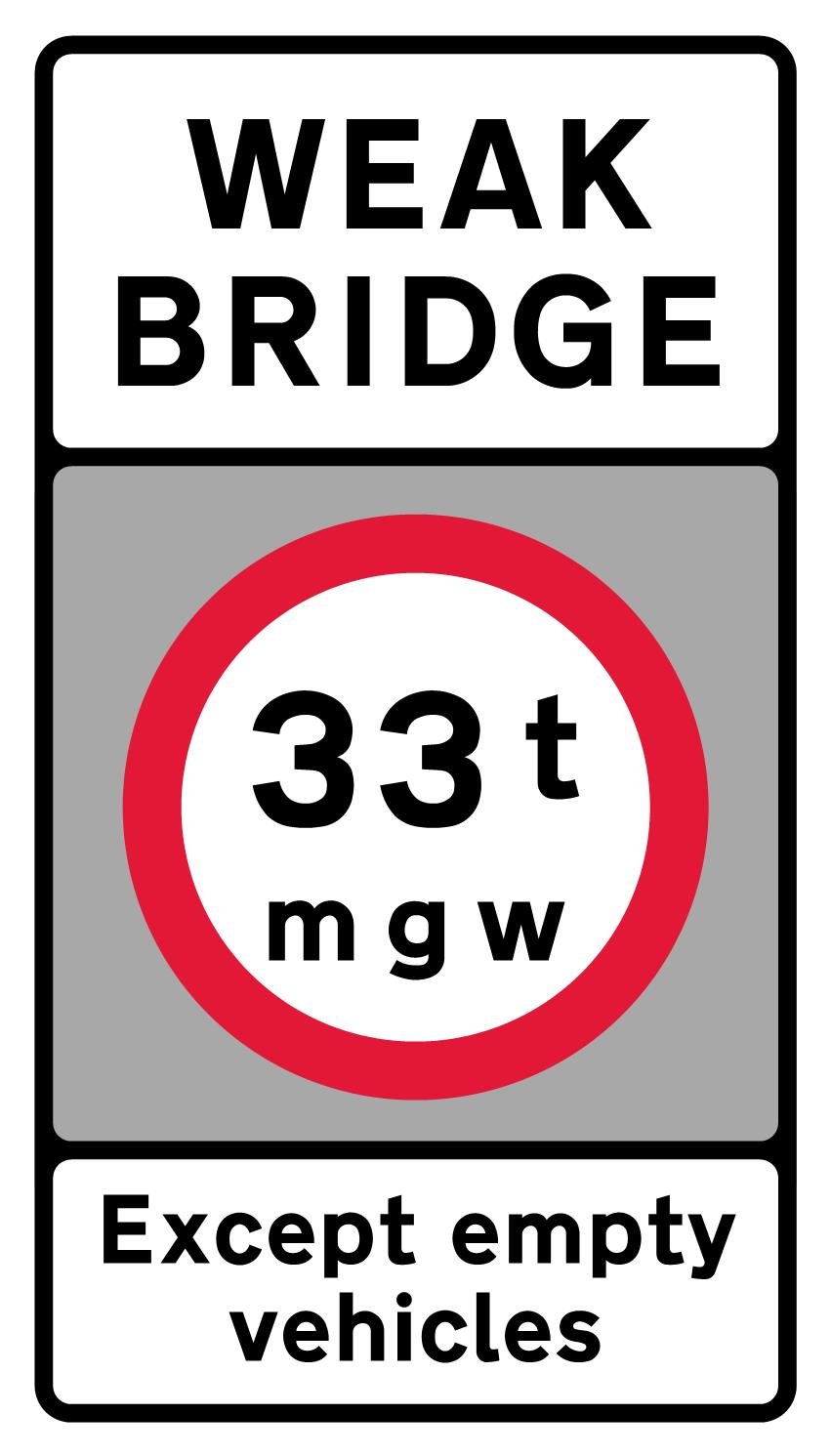
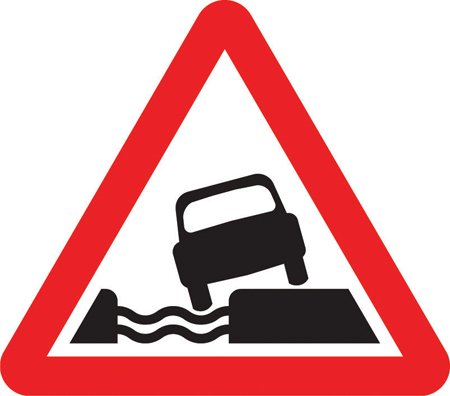
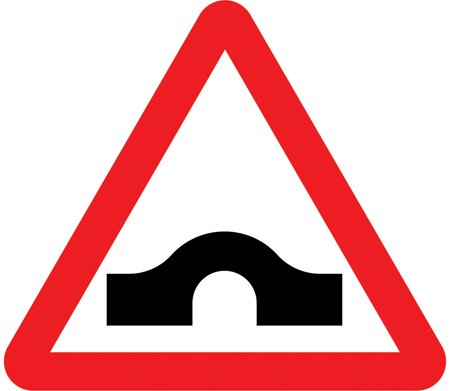
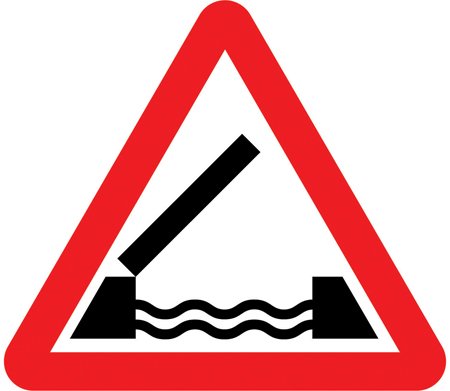
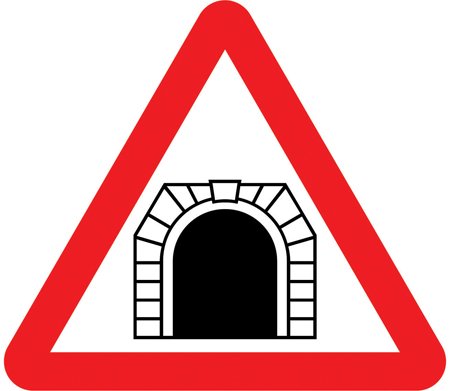
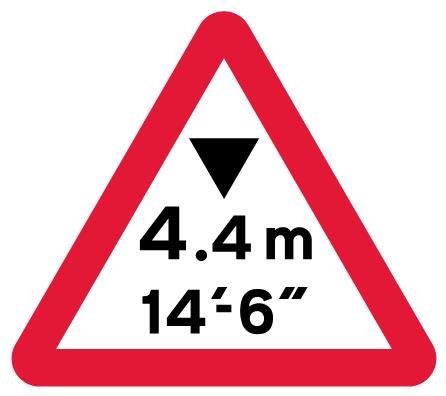
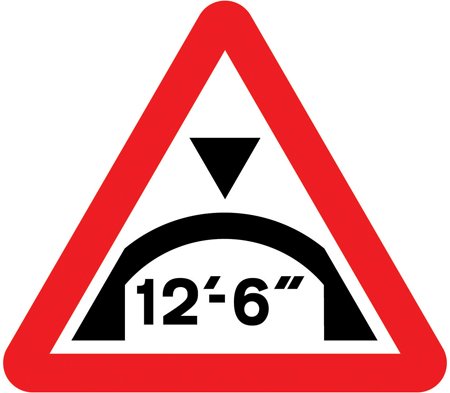
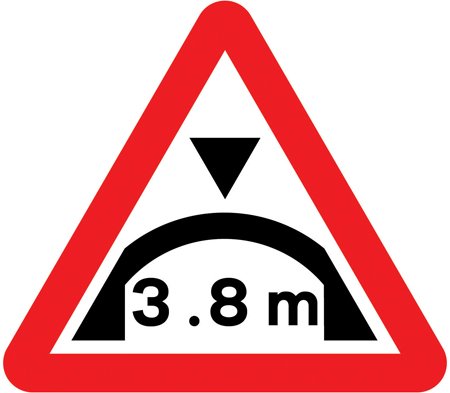
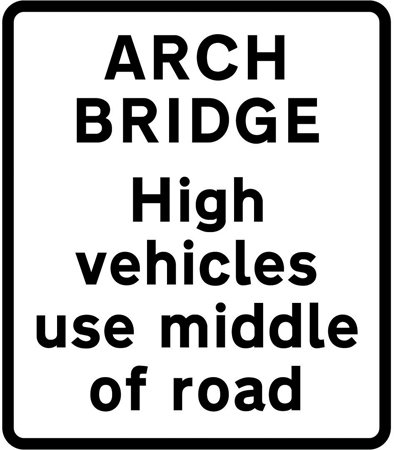
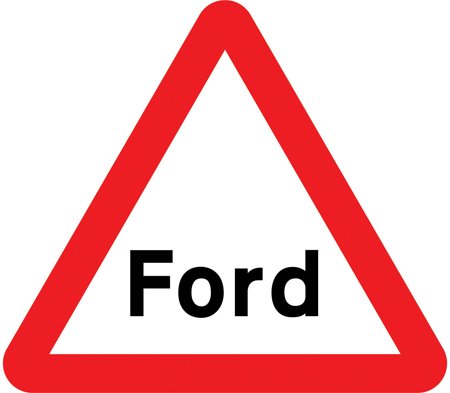
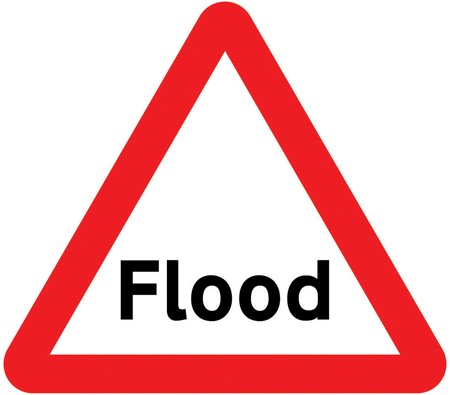
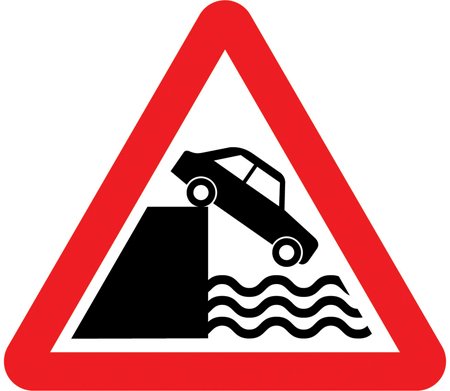
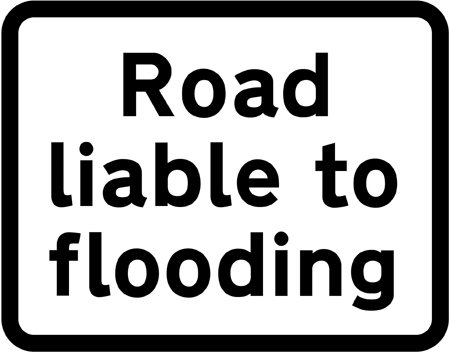
Bridges, tunnels and water

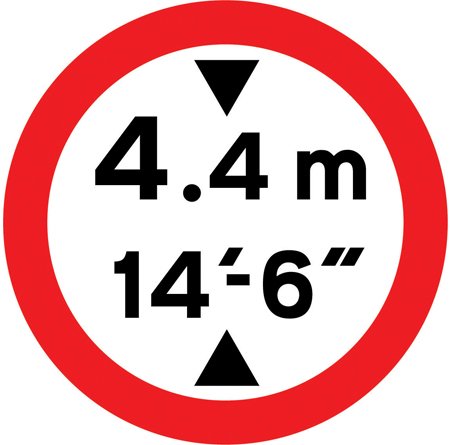
On an overhead electric cable sign, the plate shows the maximum safe vehicle height.

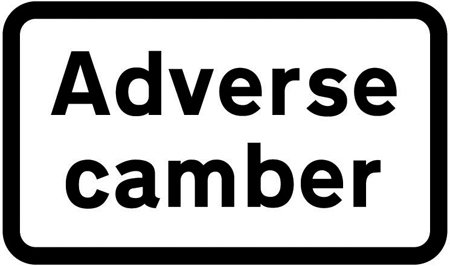
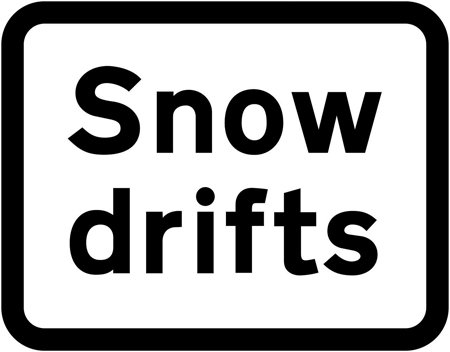
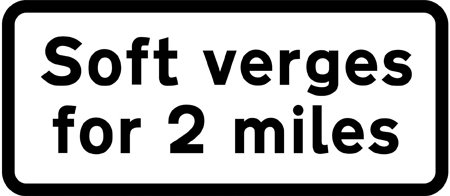
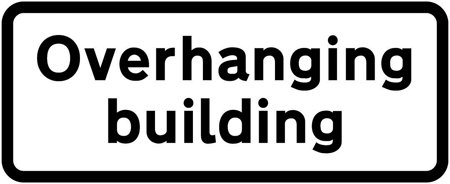
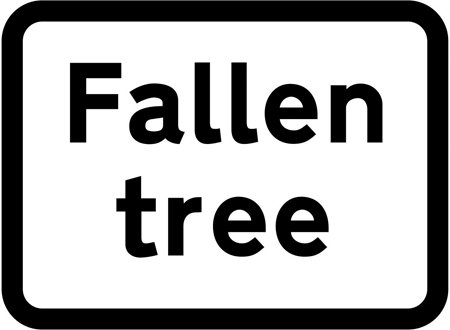
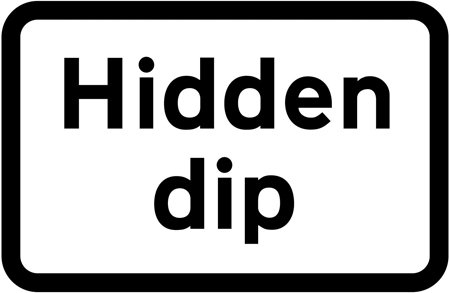
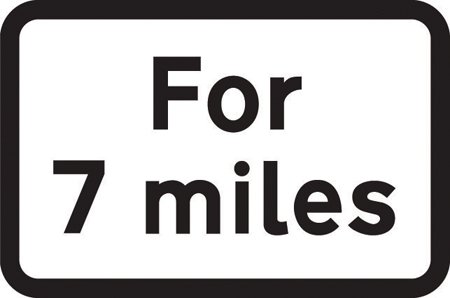
Other hazards and worded plates

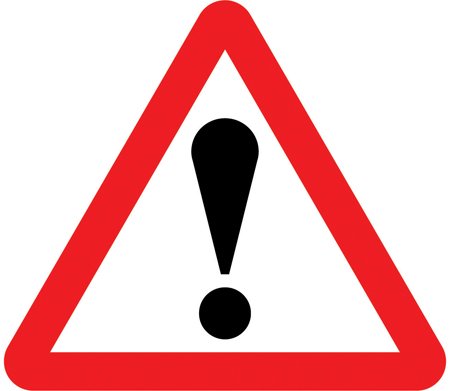
The “other danger” triangle always comes with a plate underneath telling you what the danger actually is.

3. Direction Signs

Rectangular, and colour-coded by the type of road they send you to. Blue for motorways, green for primary routes, white with a black border for local and non-primary routes, brown for tourist destinations.

On a green sign, the panels tell you what is coming: a blue panel means a motorway starts at the junction ahead, a white panel means local or non-primary routes, a brown panel means a tourist route. On a white sign, a green panel means a primary route starts at the junction ahead — the reverse of the same rule.

Downward arrows mean get in lane. An inclined arrow shows destinations you can reach by leaving at the next junction.

The four emergency diversion symbols — square, triangle, diamond and circle — exist so that when a motorway closes you can follow one symbol all the way round the diversion without needing to know where you are. Follow the symbol, not the road name.

Sign images for this section are not on the site yet.

4. Information Signs

All rectangular. They do not order you and they do not warn you — they tell you how things work where you are. Controlled parking zones, congestion charging zones, bus and HOV lanes, motorway start and end points, service areas, hospitals, countdown markers and camera enforcement areas all live here.

Countdown markers at a motorway exit each represent 100 yards to the exit. Different colours are used on other routes and at level crossings.

Sign images for this section are not on the site yet.

5. Road Works Signs

Yellow, orange or temporary. The important thing about this category: these override the permanent signs. A temporary mandatory speed limit at road works is as enforceable as any other limit, and the cameras at major works are real.

Sign images for this section are not on the site yet.

The London Signs Learners Get Wrong

Every one of these is a sign a South West London learner meets inside their first ten lessons, and most national guides skip them entirely.

Red route signs

Red lines, not yellow. A double red line means no stopping at any time, for anyone, for any reason. A single red line means no stopping during the hours on the sign. Red routes run on TfL’s strategic network across South West London, and the enforcement is camera-based and immediate. Full detail: what are red routes.

Bus lane signs

The blue sign at the start of a bus lane carries its operating hours. If no times are shown, it operates 24 hours a day. That single fact accounts for a large share of the bus lane PCNs issued to newly qualified drivers in London.

Controlled Parking Zone entry signs

A CPZ sign at the boundary tells you the controlled hours for the whole zone. Inside it, individual bays carry their own plates. The zone sign is not decoration — it is the rule that applies anywhere a bay plate does not override it.

Congestion Charge and ULEZ signs

The Congestion Charge zone is marked by a white “C” in a red circle. The ULEZ now covers all London boroughs and is marked at boundaries. Neither is a sign you obey at the wheel — they are a sign you pay afterwards, and nobody tells you at the time.

School Street signs

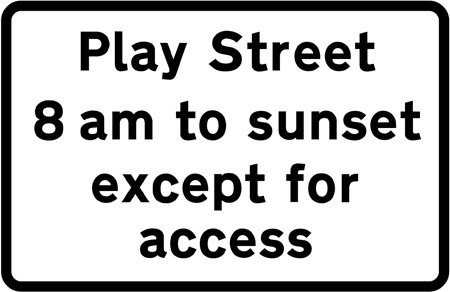
Timed restrictions outside schools, usually at drop-off and pick-up. Increasingly common across Merton, Wandsworth and Kingston, camera-enforced, and routinely missed because the sign is small and the driver is watching for children.

20 mph zone signs

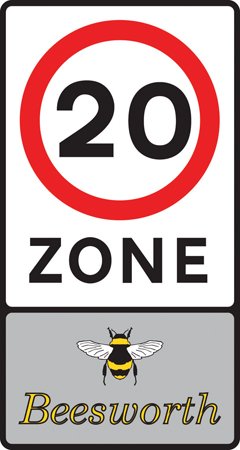
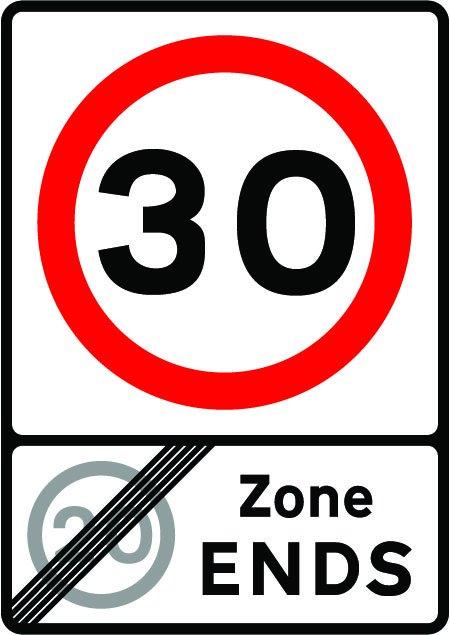
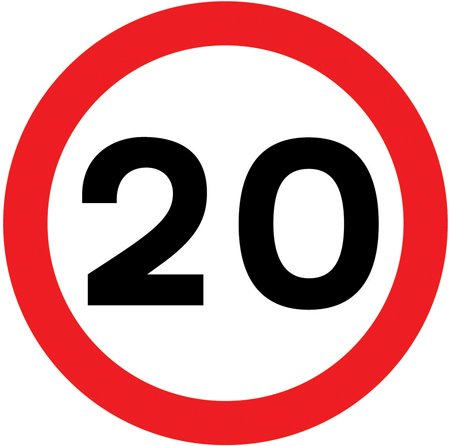
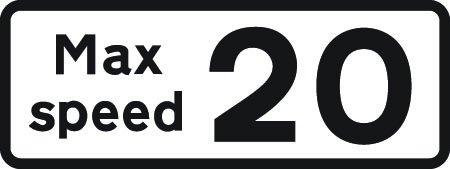
Most of inner South West London is now 20 mph. The zone sign, repeated at entry points, means the limit applies to every road in the zone until you see an end-of-zone sign — you will not see a repeater on every street.

Sign images for this section are not on the site yet.

Traffic Signs on Your Driving Test

Examiners do not test your sign knowledge by asking you questions. They test it by watching whether you respond to signs early enough.

That distinction matters. Knowing that a triangle with a roundabout symbol means a roundabout earns you nothing. Seeing it, checking your mirror, losing speed and selecting the right lane before you arrive is the thing being marked.

The faults that come from signs, in order of how often we see them:

  1. Late response to speed limit changes — particularly entering a 20 mph zone from a 30
  2. Not reading the junction layout on a warning sign, so arriving in the wrong lane
  3. Rolling a STOP sign — slowing to a crawl instead of stopping dead
  4. Missing a “get in lane” downward arrow, then changing lane late
  5. Driving into a bus lane during its operating hours
  6. Not acting on a clearway or no-stopping sign when pulling over for an instruction

Every one of those is a looking problem rather than a knowledge problem, and all six are fixable in a handful of lessons once someone points them out to you.

Book a Lesson with a DVSA-Approved Instructor

Reading about signs and reacting to them at 30 mph in traffic are two different skills. Our instructors are DVSA-approved, IAM RoadSmart affiliated and RoSPA certified, and we teach across Wimbledon, Morden, Mitcham, Tooting, Balham, Putney, Battersea, Fulham, Chelsea, Clapham, Roehampton, Pimlico, Nine Elms and Tolworth.

First lesson is two hours for £75, including a free assessment. Manual and automatic, male and female instructors, door-to-door pickup.

Call 020 8087 4546 · WhatsApp +44 7353 089591 · Book online

Frequently Asked Questions

What are the five categories of UK traffic signs?

The Highway Code groups them as signs giving orders, warning signs, direction signs, information signs and road works signs. Signs giving orders are the only category that is legally binding in itself — the rest warn, direct or inform.

What does a red circle on a UK road sign mean?

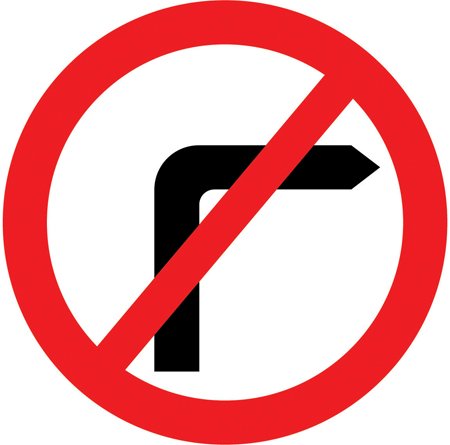
A red circle means prohibition — something you must not do. A red ring with a number is a maximum speed limit; a red ring around a symbol bans that thing, like a right turn or a particular vehicle type.

What does a blue circle mean on a traffic sign?

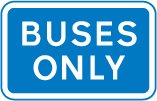
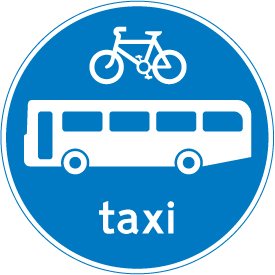
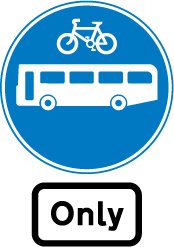
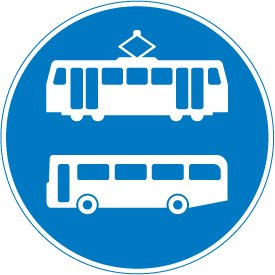
A blue circle gives a positive instruction you must follow, such as “ahead only”, “keep left” or “buses and cycles only”. Blue rectangles are different — those give information or motorway directions.

What shape are warning signs in the UK?

Triangular with a red border, with two exceptions that get their own unique shapes: STOP is an octagon and GIVE WAY is an inverted triangle. Those two were given distinct outlines so they can be recognised even when obscured or seen from behind.

What is the difference between no waiting and no stopping?

No waiting means you cannot park or wait, but you may stop briefly to set down or pick up a passenger. No stopping — including clearways and red routes — means you may not halt at all except in an emergency.

Do temporary road works signs override permanent signs?

Yes. A temporary speed limit at road works replaces the permanent limit and is enforceable in exactly the same way. Signals given by a police officer or traffic officer override every sign, marking and traffic light.

What does the national speed limit sign mean?

A white circle with a black diagonal stripe means the national speed limit applies to that road — not a single fixed number. For cars that is 30 mph where there is street lighting, 60 mph on a single carriageway and 70 mph on a dual carriageway or motorway.

How many traffic sign questions are in the theory test?

Signs appear throughout the 50-question multiple-choice section rather than in a block of their own, and they also appear inside hazard perception clips. There is no fixed quota, which is why sign recognition needs to be automatic rather than revised the night before.
Sign descriptions adapted from The Highway Code and Know Your Traffic Signs, © Crown copyright, licensed under the Open Government Licence v3.0.
Scroll to Top