Parallel parking is one of the manoeuvres that makes many learner drivers nervous. You need to judge the space, control the car slowly, check your surroundings, and position the vehicle correctly — all at the same time.
Many learners worry about getting it wrong, especially when another car is waiting behind them. However, parallel parking is not about having perfect timing or a special talent. It is a skill that improves with the right method and regular practice.
Once you understand the steps and know what to look for, parallel parking becomes much easier and more controlled.
Why Is Parallel Parking Important?
Parallel parking is a useful everyday driving skill. You may need it when parking on residential streets, near shops, outside your workplace, or in busy town areas where parking spaces are limited.
It is also one of the possible manoeuvres you may be asked to complete during your UK practical driving test. The examiner is not looking for perfection. They want to see that you can park safely, control the vehicle properly, and make good observations.
A good parallel parking technique shows that you understand:
- Vehicle control
- Observation skills
- Speed management
- Safe positioning
- Awareness of other road users
Before You Start Parallel Parking
A successful parallel park begins before you even move the car. Good preparation makes the whole manoeuvre easier.
Find a Suitable Parking Space
When you are learning, avoid spaces that are too tight. Look for a gap that gives you enough room to move the vehicle without rushing.
A suitable space should:
- Be longer than your car
- Have enough room around nearby vehicles
- Allow you to reverse safely
- Not block driveways or restricted areas
As you gain confidence, you will become better at judging smaller spaces.
Check Your Mirrors and Blind Spots
Before moving, take time to check what is happening around your vehicle.
Look for:
- Cars approaching from behind
- Pedestrians walking nearby
- Cyclists passing your vehicle
- Vehicles entering or leaving spaces
Use your mirrors and check your blind spots before starting the manoeuvre. Good observation is just as important as steering.
Signal Clearly
If there are other road users around, use your indicator to show your intention.
A signal helps other drivers understand what you are doing and gives them time to react safely.
How to Parallel Park Step by Step
The following method is commonly taught by driving instructors because it gives learners a simple routine to follow.
Step 1: Position Your Car Next to the Vehicle Ahead
Drive alongside the parked vehicle in front of the space you want to use.
Your position matters:
- Keep a safe distance from the other vehicle
- Keep your mirrors level with theirs
- Make sure your wheels are straight
Do not rush this stage. A good starting position makes reversing much easier.
Step 2: Start Reversing Slowly
Select reverse gear and begin moving backwards slowly.
Slow speed gives you more control. If you drive too quickly, you will have less time to adjust the steering.
During this stage:
- Keep checking mirrors
- Look over your shoulder when needed
- Watch the position of your car compared with the kerb
Remember, the car moves where you guide it. Small steering adjustments are usually better than large movements.
Step 3: Turn the Steering Wheel Towards the Kerb
Once your vehicle reaches the correct position, turn the steering wheel to guide the back of the car into the space.
The exact steering point depends on your vehicle, but your instructor can help you develop reference points that work for your car.
Avoid turning too early because your front end may swing too close to the vehicle ahead.
Avoid turning too late because you may struggle to fit into the space.
Step 4: Straighten the Car
When your vehicle is entering the parking space, straighten the steering wheel and continue reversing slowly.
Your aim is to bring the car parallel with the kerb.
Keep checking:
- Distance from the kerb
- Position of surrounding vehicles
- Your front and rear clearance
Small corrections are normal. Even experienced drivers adjust their position when parking.
Step 5: Finish Safely
Once your car is positioned correctly:
- Stop at a safe distance from the kerb
- Apply the handbrake if required
- Select neutral if appropriate
- Check your surroundings before moving again
A good parking position leaves enough space for you and other road users.
Common Parallel Parking Mistakes Learners Make
Starting Too Far Away From the Car
Many beginners position their vehicle too far from the parked car. This makes it harder to enter the space smoothly.
Try to maintain a consistent distance before beginning the manoeuvre.
Turning the Steering Too Quickly
Large steering movements can make the car difficult to control.
Move slowly and allow the vehicle time to respond.
Focusing Only on the Kerb
Some learners watch the kerb constantly and forget about other road users.
Remember to keep checking mirrors and your surroundings throughout the manoeuvre.
Rushing Because Other Drivers Are Waiting
Feeling pressured can lead to mistakes.
During your driving test, safety matters more than speed. Other drivers can wait.
A calm and controlled approach is always better.
Tips to Improve Your Parallel Parking Skills
Practise in Different Locations
Do not only practise in quiet streets. Try different environments once you feel comfortable.
Practice with:
- Different sized spaces
- Different road widths
- Different traffic conditions
This helps you become more confident in real situations.
Learn Your Vehicle’s Reference Points
Every car feels slightly different. The position of mirrors, the size of the vehicle, and the steering response can change how you park.
Your instructor can help you understand the reference points for the car you are learning in.
Keep Your Speed Low
Slow movements give you more time to think and correct your position.
Good clutch control in a manual car or smooth brake control in an automatic vehicle makes parking easier.
Do Not Worry About Taking Extra Time
Many learners believe they need to complete parking quickly. This often causes unnecessary mistakes.
Take the time you need to make safe observations and complete the manoeuvre correctly.
Parallel Parking Tips for Your UK Driving Test
During your practical test, remember these points:
- Listen carefully to the examiner’s instructions
- Check your mirrors regularly
- Move slowly and safely
- Correct your position if needed
- Stay aware of pedestrians and traffic
- Keep calm if you make a small mistake
A minor adjustment does not mean you have failed. The examiner is watching how safely you deal with the situation.
Is Parallel Parking Easier in an Automatic Car?
Some learners find parallel parking easier in an automatic because there is no clutch control involved.
Automatic cars allow you to focus more on:
- Steering
- Observation
- Positioning
- Speed control
However, the basic parking technique is the same for both manual and automatic vehicles.
How Can Driving Lessons Help You Improve Parallel Parking?
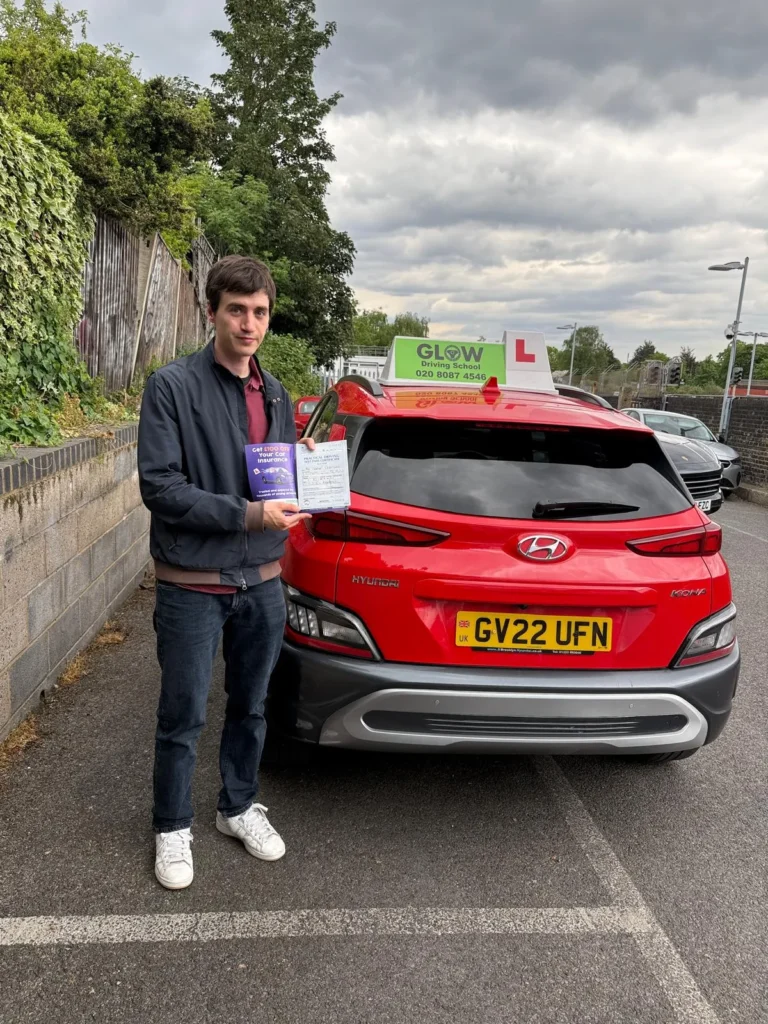
Learning with a qualified instructor gives you the chance to practise safely and receive feedback on your technique.
An instructor can help you:
- Understand when to steer
- Improve your observations
- Build confidence
- Correct mistakes early
- Practise in realistic driving conditions
At Glow Driving School, learners receive guidance designed around their individual progress. Whether you are preparing for your first lesson or working towards your driving test, structured practice can make difficult manoeuvres feel much more manageable.
Frequently Asked Questions
Is parallel parking part of the UK driving test?
Yes, parallel parking is one of the possible manoeuvres that may be requested during the practical driving test.
How long does it take to learn parallel parking?
The time varies between learners. Some people understand the technique quickly, while others need more practice to feel comfortable.
Can I correct my position while parallel parking during my test?
Yes. Making safe corrections is allowed. The important thing is to remain controlled and aware of your surroundings.
How close should I park to the kerb?
Your vehicle should be safely close to the kerb without touching it. Your instructor can help you judge the correct distance.
Why do I struggle with parallel parking?
Many learners struggle because they try to judge everything at once. Breaking the manoeuvre into smaller steps makes it easier to learn.
Final Thoughts
Parallel parking becomes much less stressful when you stop treating it as a single difficult task and start looking at it as a series of simple steps.
Good preparation, slow control, and regular practice are the keys to improving. With guidance from an experienced instructor and enough time behind the wheel, you can build the confidence needed to park safely in everyday situations and during your driving test.
If you’re thinking about taking to the road, we’ll get you behind the wheel. Book our driving lessons and you’ll get an instructor who’ll tailor their teaching to suit you.